
Opinion trading works by letting investors make decisions based on what others think, say, or predict about a stock, rather than only looking at numbers. Social media, analyst reports, and news often shape these opinions.
Traders watch these opinions closely, using them to spot trends, follow momentum, or sometimes act against the crowd. Market sentiment can move prices quickly, especially in short-term trades.
In this article, we will explore how opinion trading works, the strategies used, the tools available, and the risks involved, step by step.
Why Opinion Trading Matters In Modern Markets
Opinion trading matters because traders’ views and feelings can influence price movements. People often act based on what others think rather than only on numbers.
Market sentiment can create momentum or sudden shifts. When optimism or fear spreads, it can quickly push prices up or down, affecting short-term trading decisions.
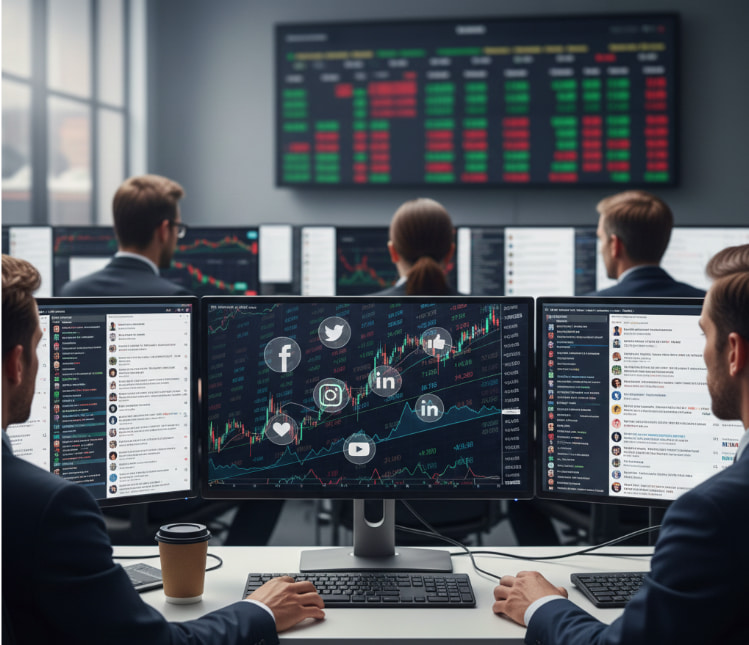
Understanding these patterns helps traders stay aware of market reactions and make smarter choices. Recognizing opinion-driven moves prepares investors for changes before they fully show in prices.
The Rise of Opinion-Driven Markets
Markets today are increasingly shaped by what people think, say, and share about stocks. Opinions, whether from analysts, news, or social chatter, now influence trading more than ever.
Over time, trading has shifted from focusing solely on financial statements to considering sentiment and crowd behavior. Technology, social media, and instant communication have made opinions faster and more impactful.
The table below highlights how the influence of opinions on trading has grown over time:
| Aspect | Then | Now |
|---|---|---|
| Retail participation | Limited | Widespread |
| Speed of news | Slow | Instant (social media, apps) |
| Opinion influence on trades | Minimal | High |
How Opinion Trading Works: A Step-by-Step Guide
Opinion trading is a process in which investors monitor opinions, analyze trends, and make decisions based on market sentiment.
Step 1: Monitor news, social media, and analyst views to gauge current market sentiment.
Step 2: Identify whether the overall sentiment for your target stocks is bullish, bearish, or neutral.
Step 3: Look for patterns or recurring opinion trends that influence short- or long-term price movements.
Step 4: Compare sentiment signals with recent price changes and trading volumes for context.
Step 5: Decide to follow popular sentiment or take a contrarian position based on analysis.
Step 6: Set clear entry and exit points, considering potential price swings and risk limits.
Step 7: Track your positions and adjust strategy as opinions shift or new trends emerge.
Step 8: Review results to refine your approach and improve future opinion-driven trading decisions.
Top 3 Opinion Trading Strategies
Opinion trading offers several strategies to profit from market sentiment. Here are the three most effective approaches used by traders today.
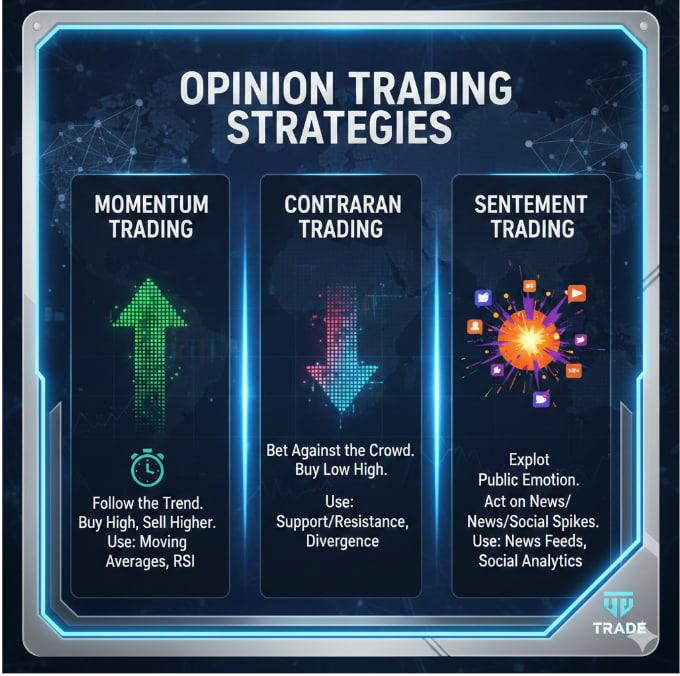
1. Momentum Trading
Momentum trading follows prevailing market sentiment, buying when optimism is strong and selling during widespread fear. It capitalizes on short-term price trends driven by collective opinions.
Traders using this strategy closely monitor news, social media, and analyst sentiment. Quick decisions and timing are critical to successfully riding the momentum.
2. Contrarian Trading
Contrarian trading goes against the crowd, taking positions when sentiment reaches extremes. It seeks opportunities where the majority opinion may have overreacted.
This approach requires patience and careful analysis of market sentiment indicators. Contrarians often wait for clear signals before entering trades to reduce risk.
3. Sentiment Breakout Trading
Sentiment breakout trading identifies sudden shifts in opinions that can trigger rapid price movements. Traders watch for spikes in discussion, trending news, or viral posts.
This strategy works best in volatile markets. Rapid monitoring and execution allow traders to capture gains before the sentiment normalizes.
Tools and Technology for Opinion Trading
Traders today rely on technology to track opinions, social trends, and financial news. These tools help them act quickly and make more informed trading decisions.
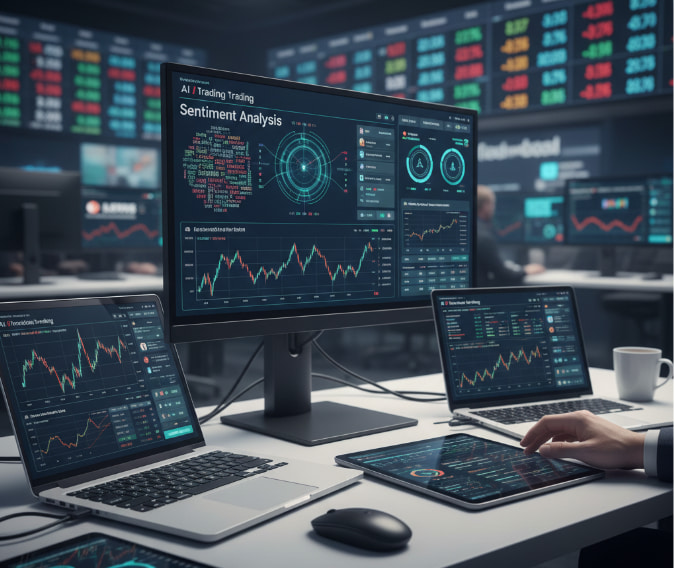
The table below shows some of the key tools traders use to track opinions and market sentiment effectively:
| Tool/Platform | Purpose |
|---|---|
| News aggregators | Track financial headlines |
| Social sentiment analyzers | Monitor social media buzz |
| Trading platforms | Execute trades based on signals |
Risks and Pitfalls Of Opinion-Driven Trading
Opinion-driven trading can be risky because market sentiment is often unpredictable. Following opinions alone may lead to hasty decisions and unexpected losses.

Being aware of these risks is essential. Combining opinion insights with careful analysis and traditional research helps traders make safer, more informed decisions.
Some major risks are as follows:
- Herd mentality: Joining the crowd can amplify losses if sentiment suddenly reverses.
- Fake news or rumors: Misleading information can trigger sharp, unwarranted price swings.
- Overreliance on opinions: Ignoring fundamentals increases exposure to volatility and potential losses.
How to Incorporate Opinion Trading Wisely
Traders should combine opinion insights with risk management and careful analysis. Using sentiment effectively requires strategy, discipline, and awareness of potential pitfalls.
The table below summarizes key Do’s and Don’ts for incorporating opinion trading wisely:
| Do’s | Don’ts |
|---|---|
| Verify sources before acting | Blindly follow trending opinions |
| Use sentiment as one input | Rely solely on social chatter |
| Define risk limits | Overtrade on noise signals |
Future of Opinion Trading: Trends To Watch
The AI‑enhanced investor sentiment analysis market is expanding rapidly, projected to grow from about $1.98 billion in 2025 to $2.43 billion in 2026, driven by real‑time sentiment insights.
These next-generation tools blend machine learning with sentiment models, allowing traders to combine social, news, and price signals into actionable forecasts, thereby improving timing and strategy execution.
The broader sentiment analysis software market is expected to reach around $3.4 billion in 2026, reflecting global adoption of NLP and AI technologies in trading analytics.
As these AI-driven sentiment tools mature, regulators are emphasizing transparency and compliance, closely monitoring the use of opinion data, and shaping how traders responsibly leverage sentiment in modern markets.
Source: Research and Markets, Persistence Market Research, The Economic Times
Conclusion: Opinion Trading Works As A Tool To Gauge Market Sentiment
Opinion trading works by analyzing collective market sentiment, helping investors make smarter decisions while balancing opinions with careful research and risk management strategies.
Traders succeed when they combine sentiment signals with fundamentals, proper timing, and disciplined strategy, rather than blindly following crowd behavior or trending opinions.
Looking ahead, integrating AI tools with human judgment will allow investors to leverage opinion trading effectively, responsibly, and with minimized risk in modern markets.
FAQs
Beginners can start with small positions, use demo accounts, and combine sentiment with fundamentals to limit risk while learning.
Platforms like TradingView, StockTwits, and AI-powered sentiment tools help monitor social, news, and analyst opinions in real time.
Opinion trading is faster and trend-focused but less predictable; combining it with fundamental analysis improves long-term reliability and reduces risk.
Yes, viral posts, rumors, or analyst opinions on social platforms can create rapid price movements, especially in small-cap or volatile stocks.
Overreacting to trending opinions, ignoring fundamentals, and overtrading on short-term sentiment spikes are common mistakes to avoid.