
The Opinion Trading Market is a financial market where investors make decisions based on expert and crowd opinions rather than only traditional charts or fundamentals.
In this market, social media trends, analyst insights, and public sentiment can influence the buying and selling of stocks, commodities, or cryptocurrencies, creating short-term opportunities.
This article will help you understand how opinion trading works, its differences from traditional trading, and how investors can safely participate.
Opinion Trading Market Explained
An Opinion Trading Market allows investors to make decisions using public and expert opinions along with traditional price charts and fundamentals.
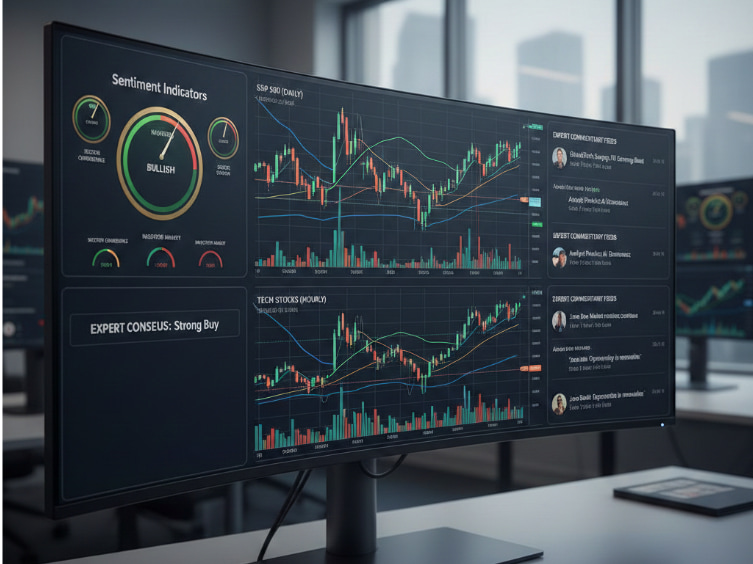
Investor sentiment, which reflects what people think or feel about a stock or asset, often signals buying or selling decisions. This sentiment comes from social media, expert analysts, and investor communities.
Key elements of opinion trading include:
- Social sentiment from forums, social media platforms, and discussion boards
- Expert insights provided by analysts, financial influencers, and market commentators
- Sentiment scores and indicators offered by specialized platforms to track crowd or expert mood about assets
- Short-term reaction signals that help identify potential price movements
How Opinion Trading Markets Work
Opinion trading markets operate by gathering insights from experts and the public, then analyzing them to provide signals for investors. These signals can help identify potential market moves alongside traditional research.
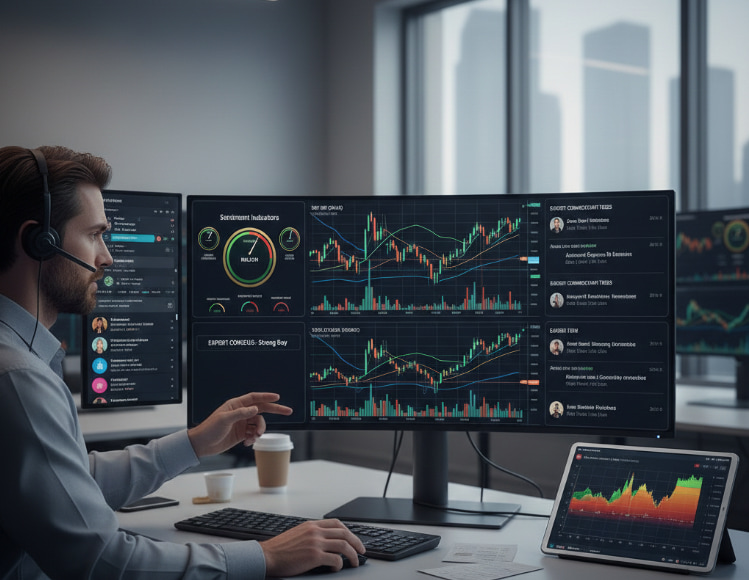
Here is an overview of how opinion trading markets function in practice:
1. Data Collection: Opinions are gathered from social media, investor forums, news articles, and analyst reports. These sources reflect both public and expert sentiment about assets.
2. Sentiment Analysis: Specialized platforms process the data to calculate sentiment scores, bullish or bearish ratios, and trend indicators.
3. Signal Generation: Based on analysis, actionable alerts are created to indicate potential buying or selling opportunities.
4. Investor Action: Traders combine these signals with their own research and strategy to make informed decisions in real-time.
5. Monitoring and Adjustment: Investors track outcomes and refine their strategies as the market reacts to evolving opinions and new information.
How To Participate In Opinion Trading Markets Safely
Opinion trading can offer new opportunities, but it also carries risks if investors rely solely on crowd or expert opinions.
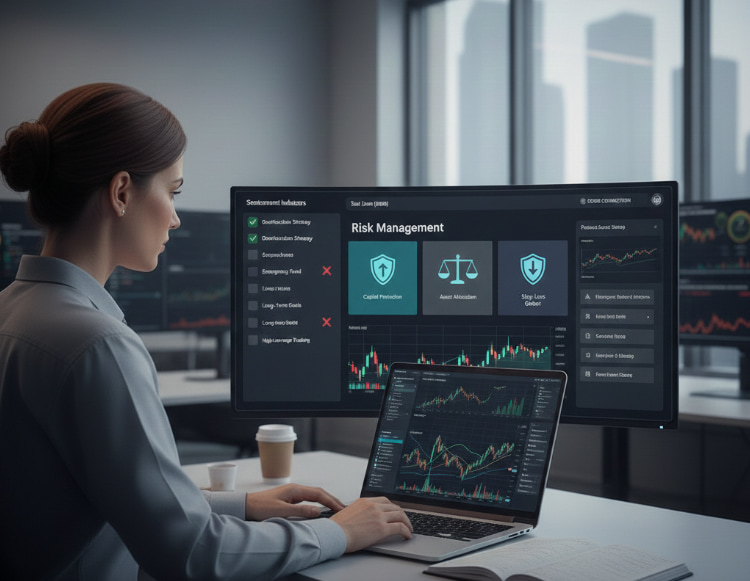
Applying these safety practices allows investors to participate in opinion trading markets with confidence and reduce unnecessary risks. Following safe practices is essential to protect capital:
- Verify Platform Credibility: Only use trusted platforms regulated by SEBI (India) or SEC/FINRA (USA).
- Understand Sentiment Tools: Learn how sentiment scores or trend indicators are calculated before acting on them.
- Cross-check Opinions: Avoid relying on a single source; compare social, expert, and news sentiment.
- Manage Risk: Use stop-losses and diversify investments to reduce exposure to sudden market swings.
- Start Small: Begin with small trades until you understand how opinion trading signals behave.
- Stay Updated: Track regulatory changes and market news to avoid compliance issues.
Benefits of Opinion Trading Markets
Opinion trading markets allow investors to use insights from experts and the crowd, giving them an edge in spotting opportunities beyond traditional research methods.
The benefits below make opinion trading markets an appealing tool for investors seeking timely insights and better-informed decisions:
- Early Trend Identification: Sentiment signals can highlight market movements before traditional analysis catches up.
- Access to Expert and Crowd Insights: Combines perspectives from analysts, social media, and forums.
- Faster Decision-Making: Real-time sentiment data allows quicker response to market developments.
- Complementary to Traditional Trading: Provides an additional layer of analysis alongside charts and fundamentals.
- Democratization of Information: Retail investors gain insights that were once mostly available to institutions.
Risks And Limitations of Opinion Trading Markets
Opinion trading markets offer opportunities, but they also come with risks that investors need to understand before relying on crowd or expert sentiment.
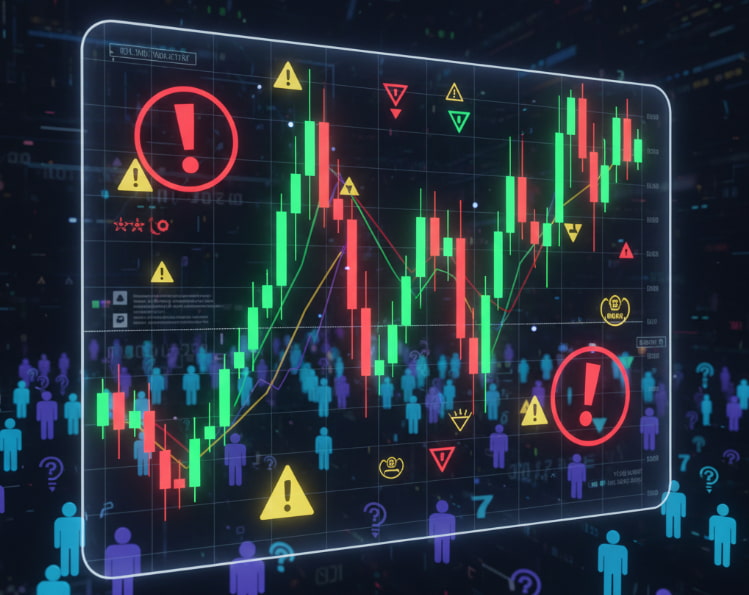
Below are some risks that can help investors trade more confidently and make informed decisions.
- False Signals from Hype: Market sentiment can be driven by rumors or short-term excitement, which may not reflect fundamentals.
- Rapid Market Reversals: Prices influenced by opinions can change quickly, causing sudden losses.
- Overreliance on Crowd Opinion: Relying solely on social or expert sentiment can be misleading.
- Regulatory Uncertainty: Rules in India (SEBI) or the USA (SEC) are still evolving for opinion-driven trading.
- Psychological Bias and Herd Behavior: Following the crowd can lead to emotional decisions and poor outcomes.
- Limited Historical Data: Opinion trading is relatively new, so long-term patterns are less predictable.
Tips To Mitigate Risks
- Cross-check signals with fundamentals and multiple sources before acting.
- Use stop-losses and proper risk management to protect capital.
- Combine sentiment insights with personal research and analysis.
- Stay updated on regulations and platform guidelines in your country.
- Stick to a pre-defined trading strategy to avoid impulsive decisions.
Future Of Opinion Trading Markets
Opinion trading markets are set to expand as AI and machine learning tools improve sentiment analysis. This allows investors to interpret public and expert opinions more accurately and quickly.
As these tools advance, real-time sentiment data is expected to integrate more closely with traditional market indicators, enabling faster, more informed decisions that respond to short-term market fluctuations.
The use of alternative data sources, such as social media trends, news, and investor forums, will further enhance the ability to predict market sentiment and identify opportunities early.
Advances in analytics platforms will make these insights accessible to both retail and institutional investors, allowing a wider audience to benefit from sentiment-driven trading strategies.
Source: BTCC
Conclusion: Opinion Trading Market Is A Modern Sentiment-Driven Investment Space
The Opinion Trading Market is a modern financial space where investors use expert and crowd sentiment alongside traditional analysis to guide investment decisions.
It provides opportunities to spot trends early, access diverse insights, and complement conventional trading methods, but requires careful risk management and critical evaluation.
With advances in technology, data integration, and evolving regulations, opinion trading markets are becoming increasingly significant for investors worldwide.
FAQs
An opinion trading market is where investors make decisions using public and expert sentiment alongside traditional financial analysis.
Opinion trading relies on crowd and expert sentiment, while traditional trading focuses on fundamentals, charts, and historical data analysis.
Yes, by using trusted platforms, cross-checking information, managing risk, and combining sentiment with personal research before investing.
Opinion trading markets exist globally, with notable activity in the USA, India, and other countries that have adopted sentiment-based trading platforms.
Risks include false signals, herd behavior, rapid market swings, regulatory uncertainty, and overreliance on sentiment without fundamentals.